
Breaking Down the Brand Values of We Are Righteous: Their Underlying Purpose
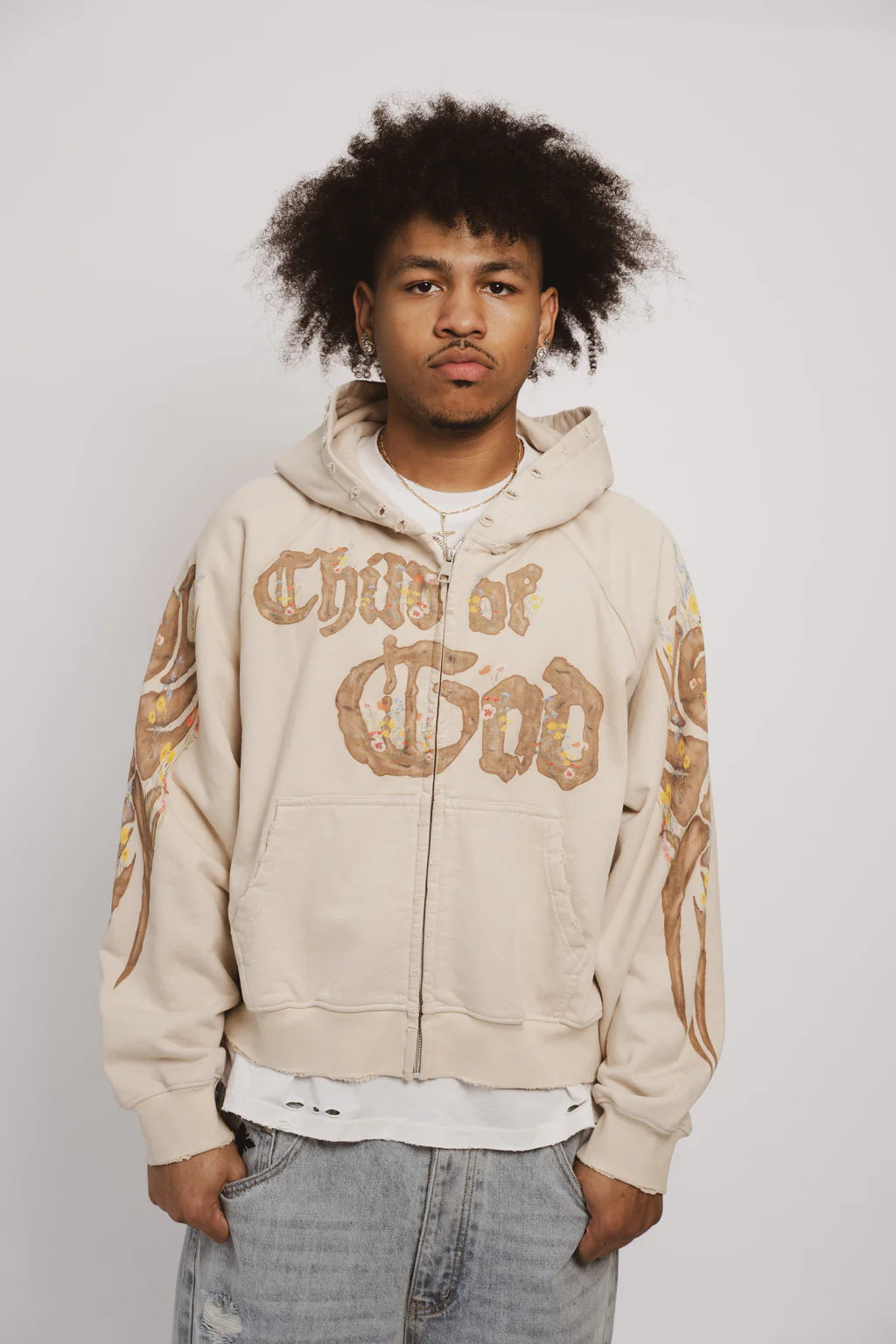
Nearly every label claims some purpose, yet few can justify it beyond a vague About-page line. We Are Righteous has built its character around a defined set of standards that inform how garments are designed, sourced, and sold. Shoppers checking a righteous review before purchase care about this, since unproven values amount to nothing more than marketing talk. Below is an outline of the ideas behind the brand, their presence in the product range, and how the label compares to other streetwear names.
The brand name alone conveys purpose. Righteous clothing is meant to carry a sense of principle — not doctrinal belief, but a private standard around craftsmanship, truthful sizing, and pieces built to outlast one season. You can see this ethos in material selection, in how the we are righteous team engages with buyers, and in the timing of new drops. Fewer, more considered drops generally translate into closer attention to each piece rather than nonstop disposable cycling.
The Guiding Standards Behind the Brand
At the center of the we are righteous brand is a commitment to actual quality over trend-chasing. The company has stated that its garments are designed to last for years rather than be tossed after a handful of washes. Construction details—like stitch reinforcement at wear points and fabric weights selected for durability, not cheapness—reveal this priority. The approach deliberately pushes back against fast fashion, where pieces are often made for righteous sweatpants a good photo but collapse within a dozen uses.
Honesty in disclosure is a further pillar. Instead of relying on ambiguous size charts, the brand offers measurement guides that let buyers match their own body measurements to the real garment dimensions rather than a generic S/M/L tag. That lowers return rates and fosters trust, which explains why so many customers leave a righteous review citing accurate fit as a plus, not a gripe.
Involvement with the community completes the value framework. Rather than viewing customers as passive shoppers, the brand sees them as collaborators, letting their feedback guide future colorways, fits, and fabric weights. Comments on drops, sizing threads, and repeat-purchase patterns all feed into decisions about what gets restocked and what gets retired. This cycle moves slower than algorithm-driven fast fashion, yet it yields a steadier, more reliable product over time.
Where the Product Line Reflects These Values
At no point are these ideals more on display than in the hoodie collection, which grounds the brand’s clothing lineup. Hoodies serve as a proving ground for claims about quality: cheap fabric pills within a matter of weeks, flimsy cords fray, and weak stitch-work around the hood falls apart quickly. A well-made hoodie, by contrast, holds its shape wash after wash. Repeat customers who have bought multiple pieces frequently mention in feedback that the fabric feel and weight stay uniform from batch to batch, which points to quality control on the manufacturing side rather than one lucky production run.
Past the hoodie line, the full clothing lineup extends the same standards to tees, jackets, and add-on pieces. Every category shares a common fabric approach — denser cotton mixes for body, pre-shrinking processes to minimize post-wash surprises, and coloring techniques chosen to hold color. None of this is flashy, but it’s the kind of unglamorous detail that separates a brand meant to last from one designed to be replaced.
Practically speaking, sizing consistency also embodies the label’s values. Rather than shifting fits drastically between drops, which forces repeat customers to re-measure every time, the brand aims to keep its block consistent across collections. This makes it easier for someone who owns one righteous hoodie to order a new piece with confidence, without guessing whether this season’s cut runs differently from last year’s.
We Are Righteous Compared to Fast Fashion Rivals
To grasp where We Are Righteous sits in the market, it is useful to compare its approach against the fast-fashion approach most shoppers are used to. The table below highlights key differences based on general industry patterns and the brand’s stated practices.
| Category | We Are Righteous | Typical Fast Fashion Brand |
|---|---|---|
| Release frequency | Scheduled, deliberate releases | Constant, ongoing new stock |
| Textile emphasis | Long-wear strength and substance | Cheapest possible sourcing |
| Size uniformity | Consistent from drop to drop | Varies drop to drop |
| Weight given to reviews | Feeds straight into future product decisions | Barely factors into design |
| Planned longevity | Years of use | One season or less |
This comparison isn’t about shaming fast fashion entirely — it serves a purpose for shoppers who want affordability and constant new options. But it does explain why a righteous clothing brand built around slower cycles and heavier fabrics attracts a different kind of customer: one who prioritizes longevity and fit accuracy over having something new every week.
What Customers Say in Reviews
Sifting through customer reviews offers a sharper picture than marketing copy ever could. Common threads in a we are righteous review tend to revolve around three things: fabric weight feeling substantial rather than flimsy, true-to-size fits cutting down the need for exchanges, and print or embroidery details lasting after repeated washing. Not exactly headline-grabbing, this is hands-on feedback that, over time, forges confidence among customers.
Other reviews touch on shipping timelines and customer service responsiveness, both of which contribute to overall satisfaction even when they’re unrelated to the garment itself. Sellers that reply promptly to sizing questions before purchase typically experience reduced post-purchase complaints, simply because expectations are set correctly from the start. That kind of operational discipline is also part of the value system — it’s not just about the product, but about the treatment people receive throughout the buying process.
Not every piece of feedback is glowing, and that’s worth acknowledging. A handful of customers have mentioned longer restock windows for popular sizes, a natural byproduct of smaller, more controlled production runs rather than mass manufacturing. That trade-off lines up with the brand’s declared values: smaller quantities crafted more carefully, rather than unlimited stock churned out at maximum speed and minimum cost.
Manufacturing Decisions and Sustainability
Instead of leaning on sustainability as a slogan, it’s worth looking at the concrete decisions behind it. Overproduction, a persistent waste issues in fashion, is lessened when smaller batches stand in for mass manufacturing of identical units. When a brand doesn’t need to move enormous unsold inventory through deep discounting, it also doesn’t need to compromise on original fabric quality to hit a price point later.
Packaging and shipping materials are another area where smaller, values-driven brands often differ from mass retailers, opting for simpler packaging with less unnecessary plastic. While not every detail of a supply chain is visible to the end customer, the overall direction — smaller runs, consistent quality, less waste through overproduction — aligns with what the brand describes as its founding purpose.
Closing Thoughts on Where the Brand Is Headed
Brand values carry little weight unless they withstand scrutiny, and We Are Righteous welcomes that examination by publishing sizing details, engaging with customer feedback, and staying consistent across its righteous hoodie and broader apparel lines. Rather than following every trend, the brand presents itself as a lasting wardrobe staple provider. For 2026, this approach is notable precisely because so much of the market still operates on speed and disposability rather than durability and trust.
Whether it’s the first righteous review a reader lands on or the tenth, a consistent thread emerges: a slower, more deliberate rollout of new pieces — that’s the throughline. That’s not a flashy pitch, but it’s a coherent one — which is often the very thing that separates a brand grounded in real values from one that merely uses the term as a marketing slogan.
